
Best Cutting Board Finishes: Oils, Serums & Conditioners
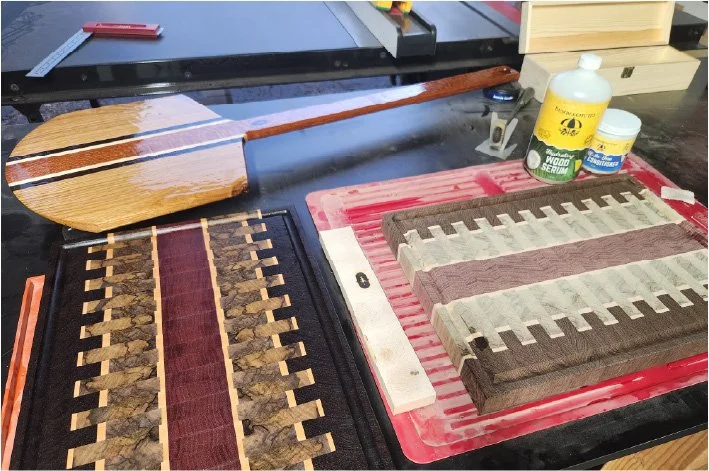
If you're wondering what's the best cutting board oil—or how to finish a cutting board so it lasts for years—you're in the right place. A cutting board is more than just a kitchen tool; it's a piece of functional art. Whether crafted from walnut, maple, oak, or exotic hardwoods, the right cutting board finish not only protects the wood from moisture and bacteria but also enhances the natural beauty of the grain.
At Zero Proof Design, I carefully select food-safe, eco-friendly cutting board oils and conditioners that bring out the best in every board I make. Below, I'll share the finishes I personally use and why—plus an overview of other options to consider when learning how to maintain or refinish your cutting board at home.
My Recommended Cutting Board Finishes
1. Bumblechutes Woodworkers Oil
"Use code ZPD at checkout for 10% off"
My businesses go-to choice for finishing cutting boards, this natural cutting board oil penetrates deep into the wood fibers, preventing cracking, warping, and drying. I use it because it's made with all-natural, sustainable, eco-friendly ingredients. The result is a natural matte look that highlights the wood grain without creating a sticky surface—perfect for boards that get daily use and bulk production.
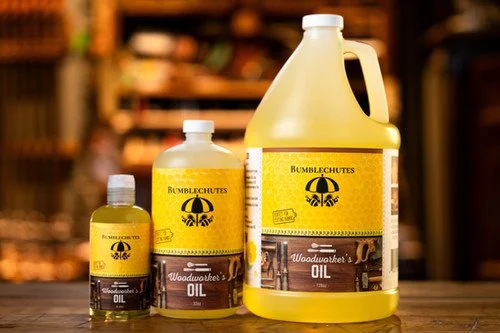
Bumblechutes Woodworkers Oil
2. Bumblechutes Hydrating Wood Serum
"Use code ZPD at checkout for 10% off"
For a premium, mineral oil-free option, this is my top pick. The Hydrating Wood Serum is made with 100% fractionated coconut oil, natural vitamin E, lemon oil, and non-nano zinc oxide—completely free from petroleum, solvents, and mineral oil. It deeply penetrates wood fibers to hydrate from the inside out, prevents cracking and chipping, and even offers UV protection to preserve your board's natural color over time. It also has natural antibacterial properties to keep your surfaces hygienic. If you're looking for the cleanest, most natural cutting board finish available, this is it.
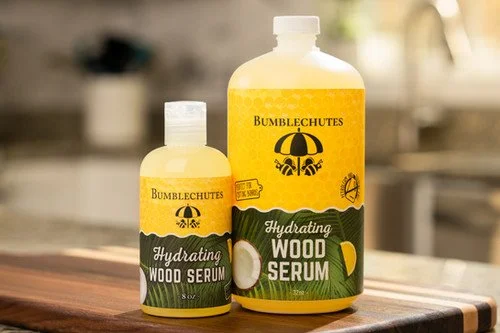
Bumblechutes Wood Serum
Want the full protection stack? Grab the Bumblechutes Soak & Seal Combo and pair the Wood Serum with the Wood Conditioner for a complete oil-and-seal treatment. This is my top personal recommendation for personal use at home.
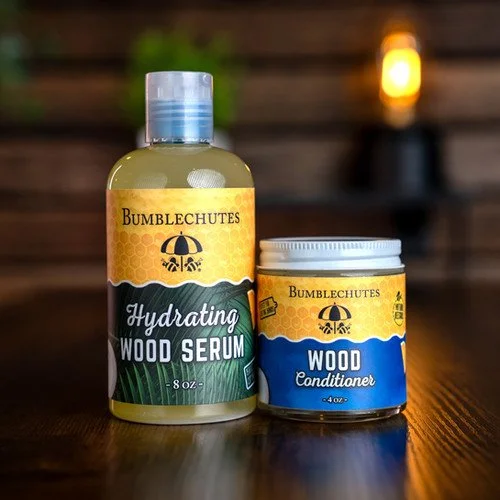
Bumblechutes Wood Serum and Conditioner Combo
3. Bumblechutes Wood Conditioner
"Use code ZPD at checkout for 10% off"
After applying oil or serum, I often seal with this conditioner. The blend of natural oils and waxes creates a protective top layer that repels water and food particles—think of it as locking in the hydration while giving your board a smooth, velvety feel. For anyone researching how to finish a cutting board at home, pairing oil with a conditioner is one of the best methods you can follow.
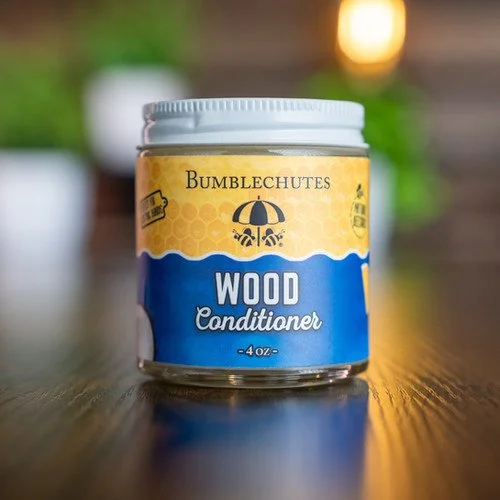
Bumblechutes Wood Conditioner
4. Walrus 100% Pure Tung Oil
For certain projects—especially cutting boards made with Padauk—I use pure tung oil. Since it's completely VOC-free, it prevents the natural red pigments in Padauk from bleeding into the finish. Tung oil also polymerizes, meaning it hardens within the wood for long-lasting protection, and leaves a warm, amber finish that beautifully enriches the grain.
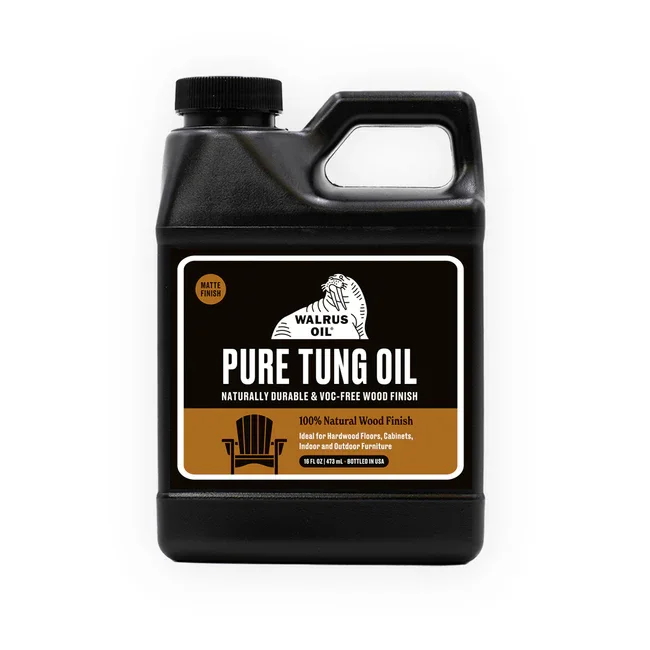
Walrus Oil Pure Tung Oil
Other Common Cutting Board Oils and Finishes
While I rely on the products above, here are some other popular food-safe options often used when finishing cutting boards:
Mineral Oil – A traditional choice that's affordable and widely available. Food-safe, but requires frequent reapplication and offers no deep hydration or UV protection the way a premium serum does.
Beeswax Blends – Often combined with oils, beeswax adds water resistance and a subtle sheen. A solid choice for sealing end grain cutting boards.
Hardening Oils – Oils like walnut or linseed can polymerize inside the wood, offering durable protection if they're properly refined and food-safe.
Why the Best Cutting Board Finish Matters
Using the right cutting board oil or finish is essential for both performance and longevity. A well-finished board will:
Resist water and odor absorption
Prevent bacteria buildup
Stay smooth and safe for your knives
Showcase the natural grain and character of the wood
That's why I always choose finishes that balance durability, food safety, and sustainability—and why I've moved away from mineral oil in favor of cleaner, plant-based alternatives.
How to Finish and Maintain a Cutting Board at Home
Whether you're learning how to refinish a cutting board or simply extending the life of one you already own, here's a simple routine:
Clean and Dry – Always start with a clean, completely dry cutting board.
Apply Oil or Serum – Use a soft cloth to spread a generous amount of food-safe cutting board oil or hydrating serum across all surfaces. Let it soak for 20–30 minutes (or overnight for very dry boards).
Wipe Away Excess – Buff off any remaining product to avoid a sticky residue.
Add Conditioner – For extra protection, follow up with a wax-based conditioner to seal in the moisture.
Reapply Regularly – Re-oil your board every few weeks, or whenever the surface looks dry or feels rough.
With this routine, your cutting board will stay beautiful, durable, and safe for everyday cooking.
Final Thoughts
When you invest in a handcrafted cutting board, the finish is what ensures it remains a kitchen staple for years. At Zero Proof Design, I use Bumblechutes Woodworkers Oil, the Bumblechutes Hydrating Wood Serum, and Bumblechutes Wood Conditioner because they're all-natural and genuinely perform (Plus, use code ZPD to save on your purchase). For woods like Padauk that need extra care, Walrus 100% Pure Tung Oil rounds out the toolkit.
Whether you're shopping for the best cutting board oil or learning how to finish a cutting board at home, choosing the right finish makes all the difference. With proper care, your board won't just last—it will age beautifully, becoming a piece of functional art you'll love using every day.